Freight efficiency
Unused space increases landed cost per cup and makes the order less competitive.
PAPER CUP EXPORT & CONTAINER LOADING
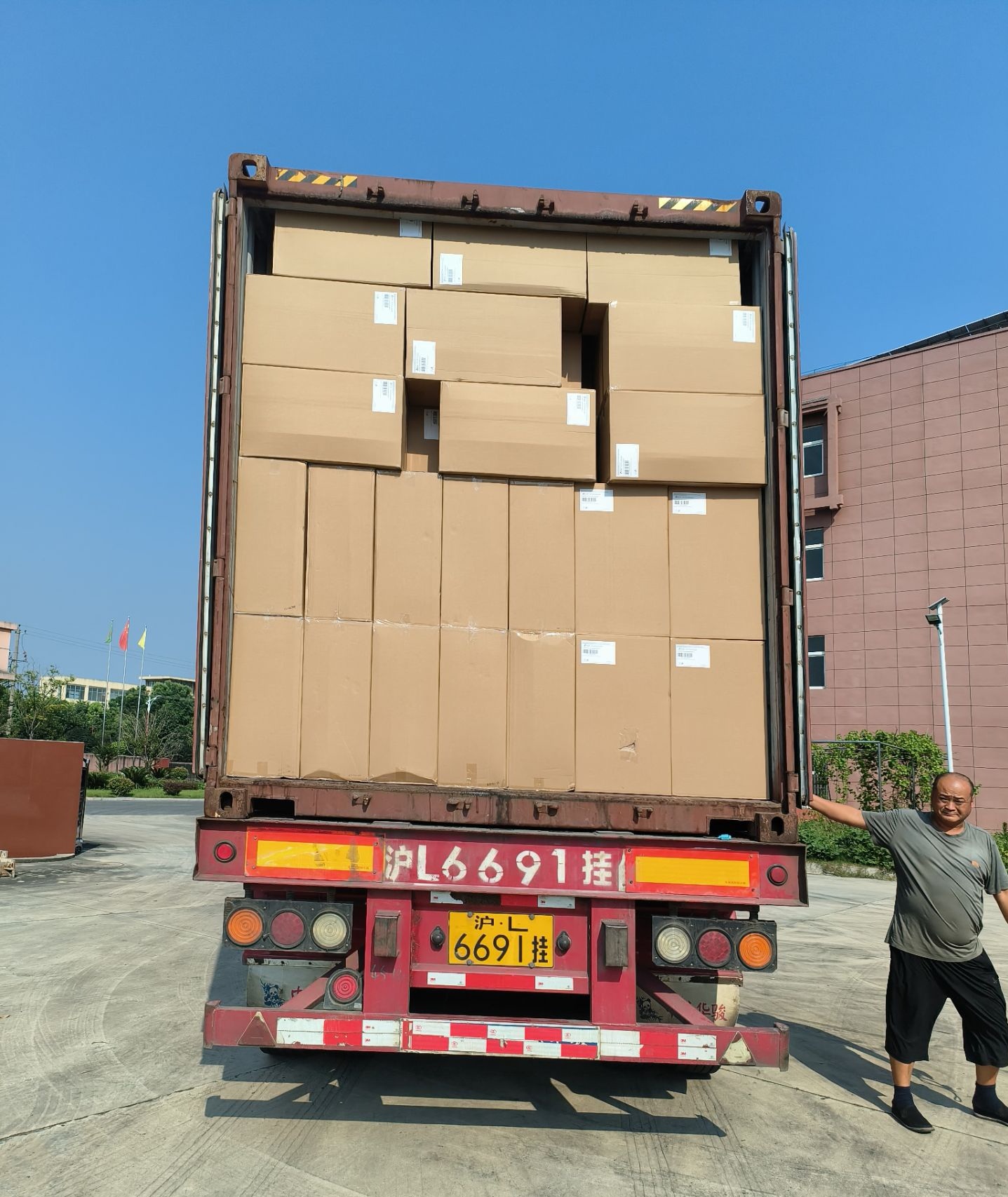
We plan carton quantities, eligible SKU combinations and loading sequence before the container arrives, then document the loading, seal and final quantity for the buyer.
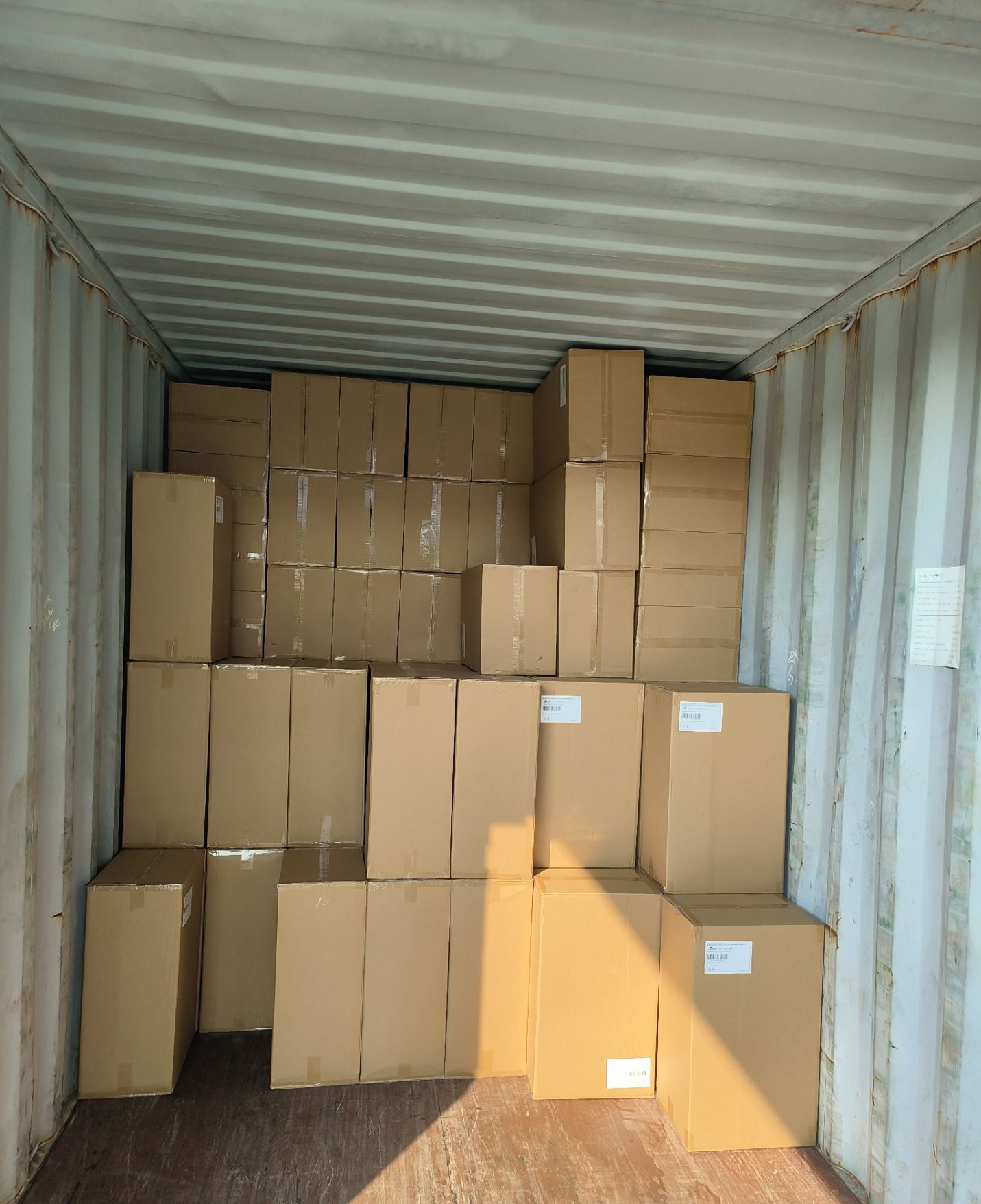
The 69 m³ figure is a planning reference for cartonized cargo, not a guaranteed capacity. Final volume depends on carton dimensions, product mix and the confirmed loading plan.
IMPORTER PAIN POINTS
Paper cups are light but carton-intensive. A workable shipment plan must protect both container space and receiving accuracy.
Unused space increases landed cost per cup and makes the order less competitive.
An incorrect carton split can disrupt receiving, inventory and store replenishment.
Moisture, pressure and unstable loading can damage paper packaging during a long route.
Import buyers need clear evidence of what was loaded, counted and sealed.
PLAN BEFORE LOADING
We review the order by SKU and carton, then turn the confirmed requirements into a practical loading sequence.
MIXED-SKU ORDERS
Mixed loading is coordinated against product compatibility, carton dimensions and minimum-order requirements. It is confirmed during quotation rather than assumed.
LOADING CONTROL
The loading record begins before the first carton enters the container.
Check SKU quantities, cartons, labels and carton marks against the confirmed order.
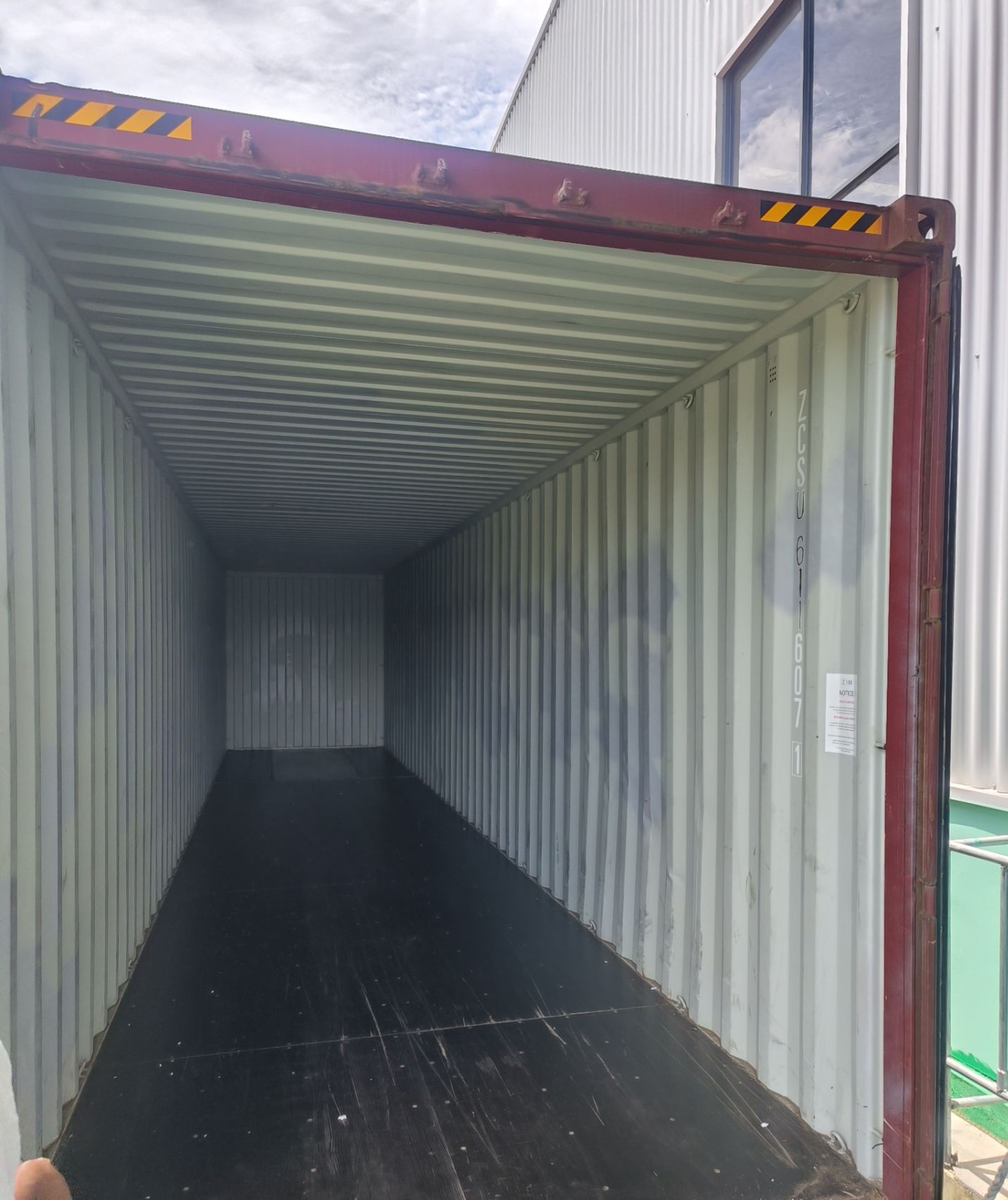
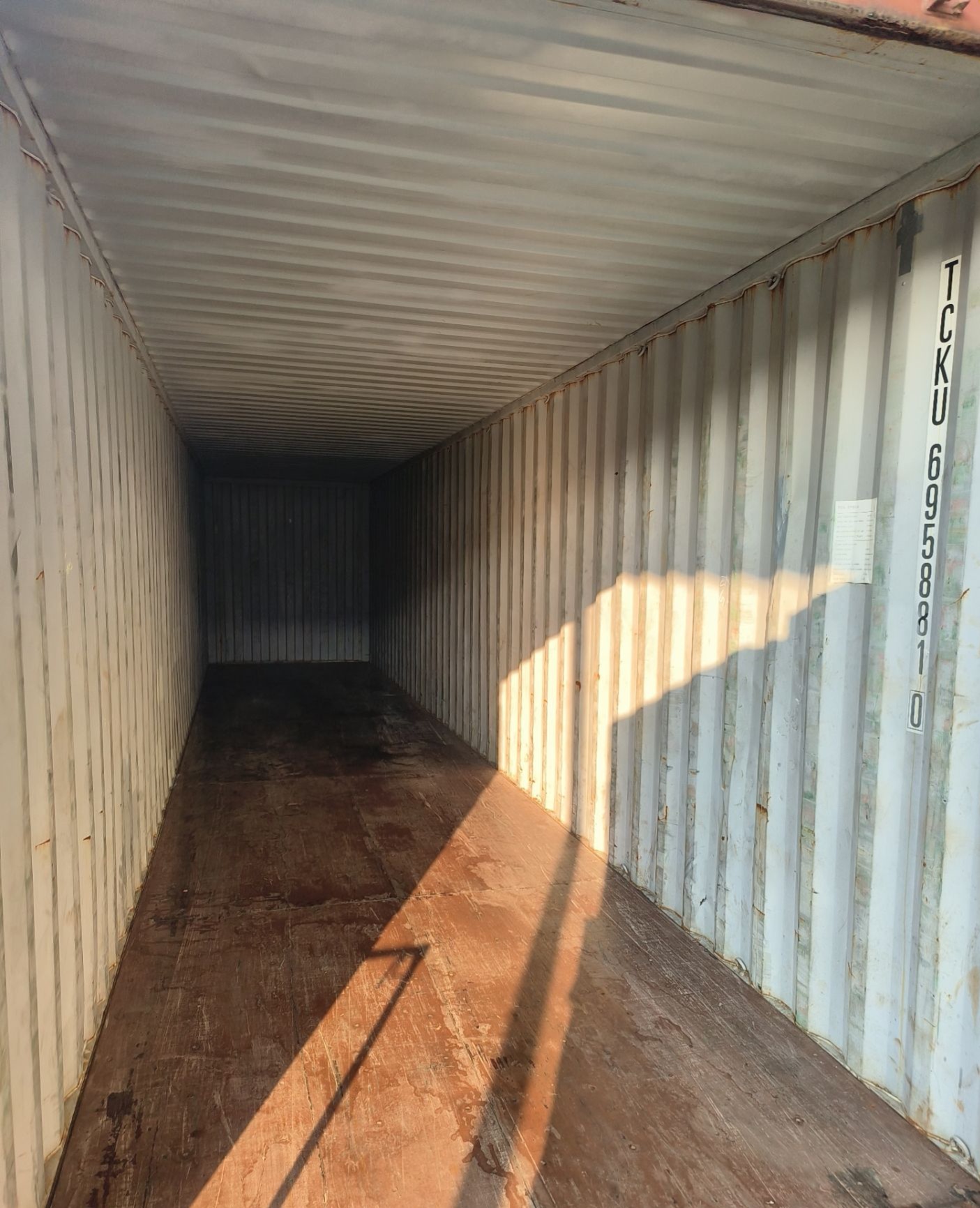
Check that the empty container is clean, dry and free from visible damage.
Use desiccants or other moisture-control materials when the route or order requires them.
Follow the loading sequence and record the final carton and SKU quantities.
Record loading photos, the seal number and final quantity for buyer review.
BUYER LOADING RECORD
After loading, the buyer receives a concise record of the completed container handover.
MOISTURE & CARTON PROTECTION
Protection is adapted to the route, season and confirmed order requirements. These controls reduce avoidable exposure without promising conditions outside the agreed shipping scope.
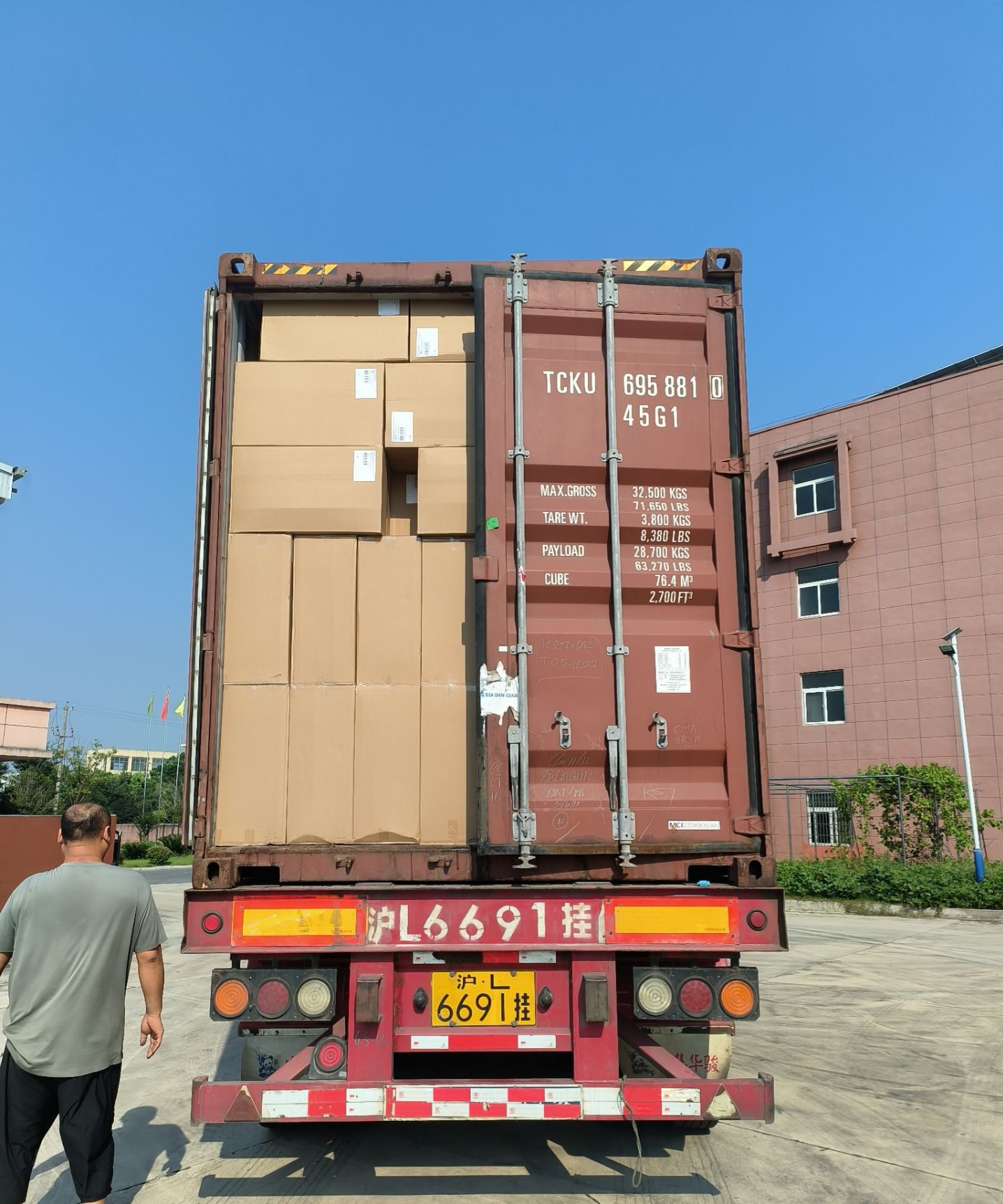
REAL LOADING PREPARATION
These real photographs document empty-container inspection, carton arrangement and the final loading condition. The mobile watermark and timestamp are excluded by the website crop.
SHIPPING FAQ
It is a planning reference for cartonized cargo. It is not a guaranteed container capacity. The workable volume depends on carton dimensions, product mix and the confirmed loading plan.
Eligible products and sizes can be combined when product compatibility, carton dimensions and minimum-order requirements allow it. The final mix is confirmed during quotation.
Yes. We check that the empty container is clean, dry and free from visible damage before loading begins.
We inspect the loading environment and use desiccants or other moisture-protection materials when the route or order requires them.
We provide loading photos, the final quantity record and the container seal number after loading.
Please provide the product and size list, quantity by SKU, packing requirements, destination and any handover requirements.